
Optimal Timing for Tree Removal
Tree removal timing is crucial to ensure safety, health, and efficiency. The optimal time varies based on seasonal factors, tree species, and local climate conditions. Understanding these variables can help determine the most appropriate period for tree removal projects.
Winter is often considered the best time for tree removal because deciduous trees are dormant, making it easier to access and reducing the risk of pests and diseases.
Spring and summer months are less ideal for removal due to active growth and increased risk to surrounding vegetation. However, certain emergency removals may be necessary during these seasons.
Fall can be suitable for tree removal, especially before the onset of harsh winter weather. However, fall foliage can obscure visibility, requiring careful planning.
Adverse weather conditions like high winds, heavy rain, or snow can delay or complicate tree removal, making weather forecasts an important consideration.
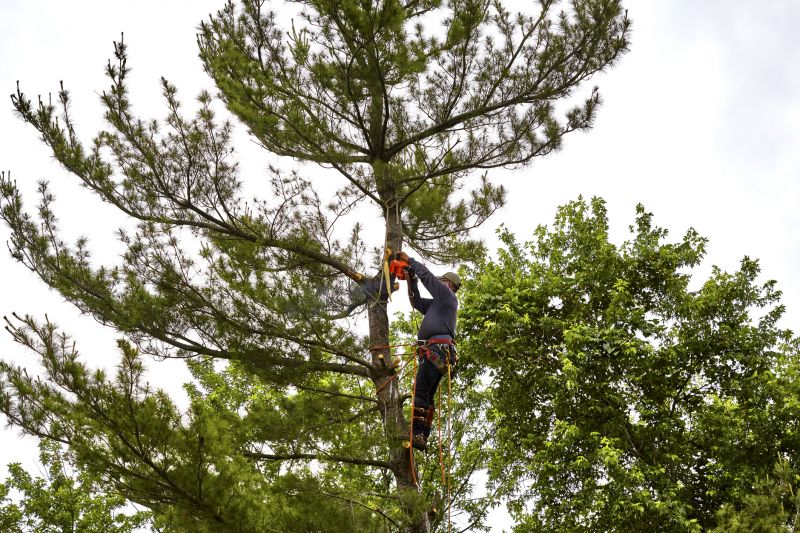
Specialized tools are used to safely remove trees during dormancy periods.
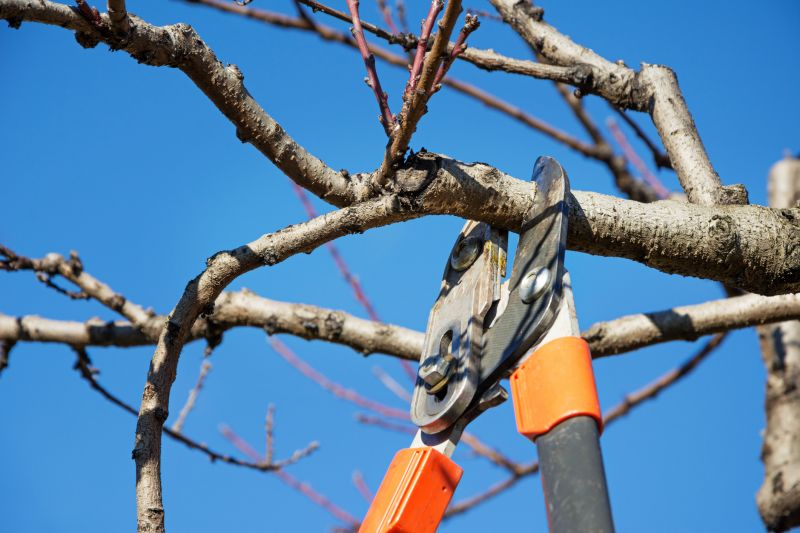
Spring pruning can coincide with removal for health and safety reasons.
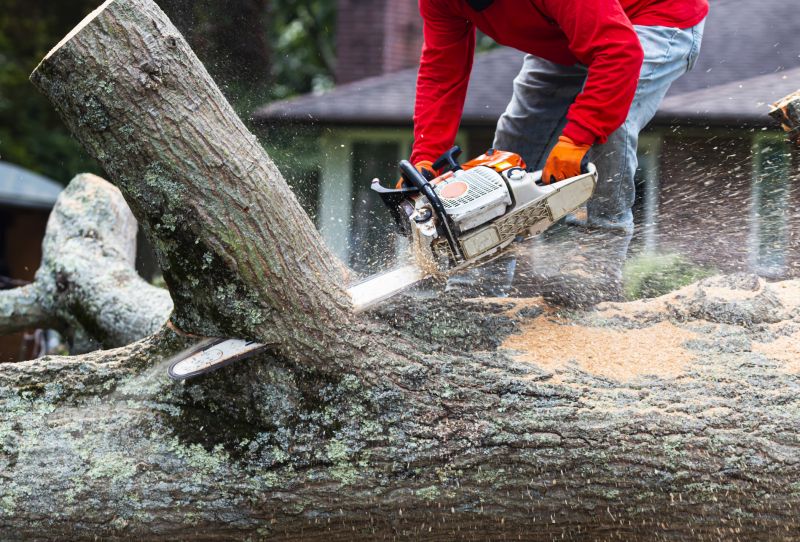
Visual overview of tree removal across different seasons.
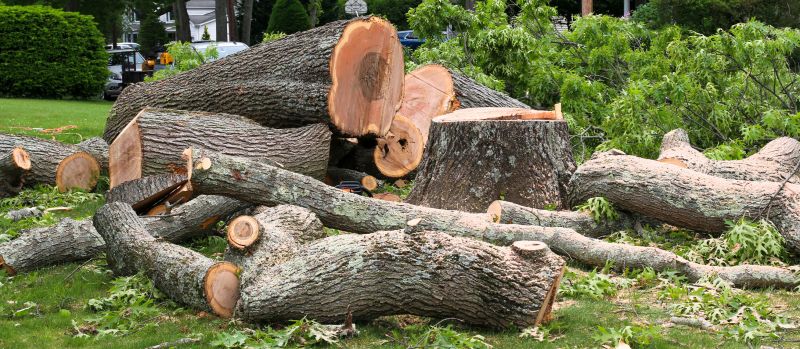
Ways to make Tree Removals work in tight or awkward layouts.
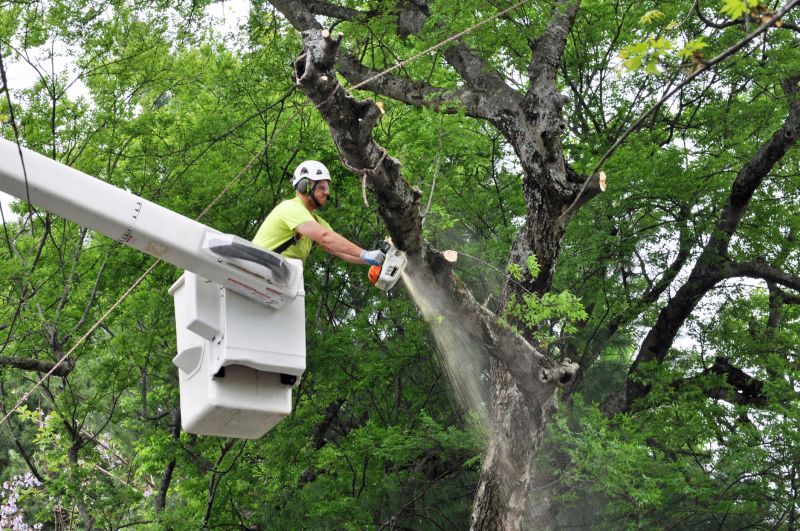
Popular materials for Tree Removals and why they hold up over time.
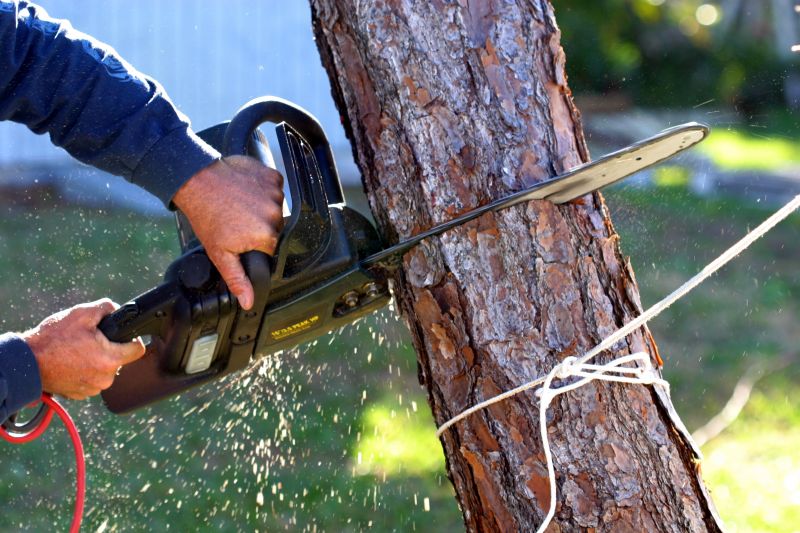
Simple add-ons that improve Tree Removals without blowing the budget.
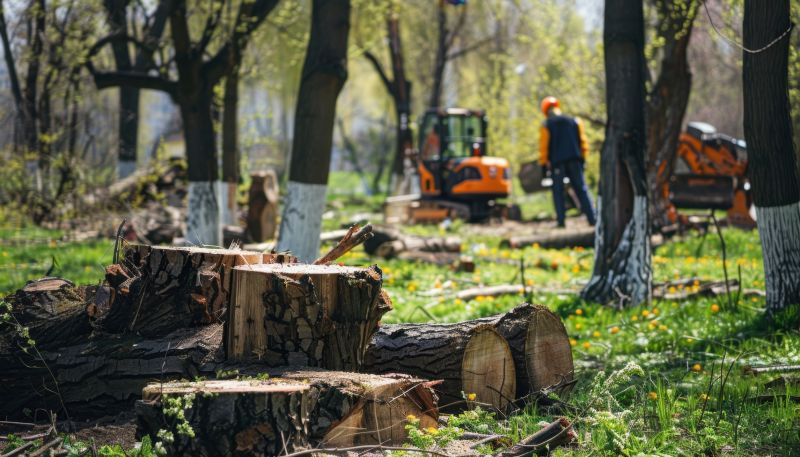
High-end options that actually feel worth it for Tree Removals.
Finishes and colors that play nicely with Tree Removals.
| Season | Ideal for Tree Removals |
|---|---|
| Winter | Yes, due to dormancy and accessibility. |
| Spring | Less ideal, but possible for emergency removals. |
| Summer | Generally not recommended, except in emergencies. |
| Fall | Possible, especially before winter storms. |
Tree removals are often scheduled during dormancy periods to minimize damage to surrounding vegetation and reduce pest spread. Proper timing can also facilitate safer and more efficient operations. Seasonal considerations are important for planning, but emergency situations may necessitate immediate action regardless of the time of year.
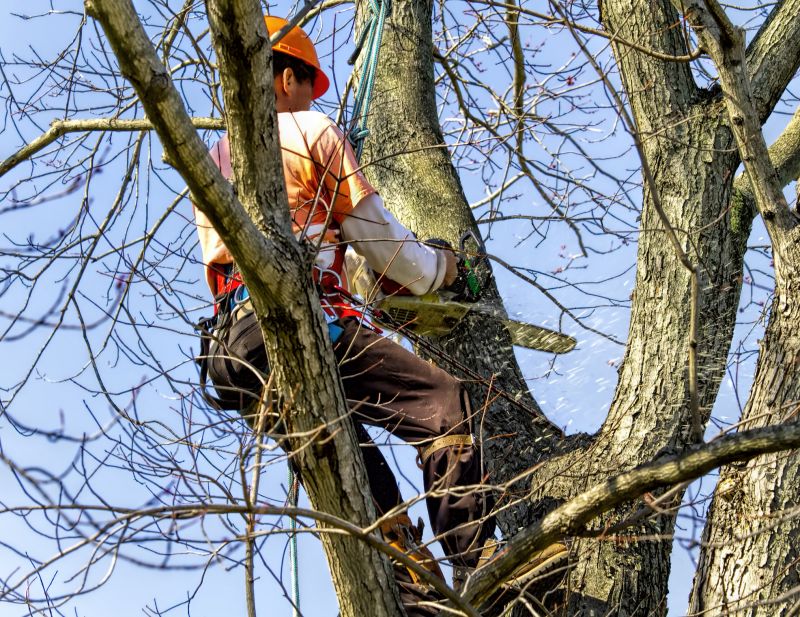
Snow-covered trees require specialized techniques for safe removal.
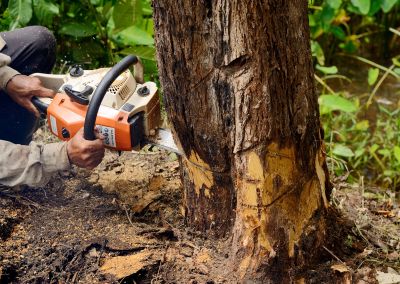
Spring is a transition period for many trees, influencing removal timing.
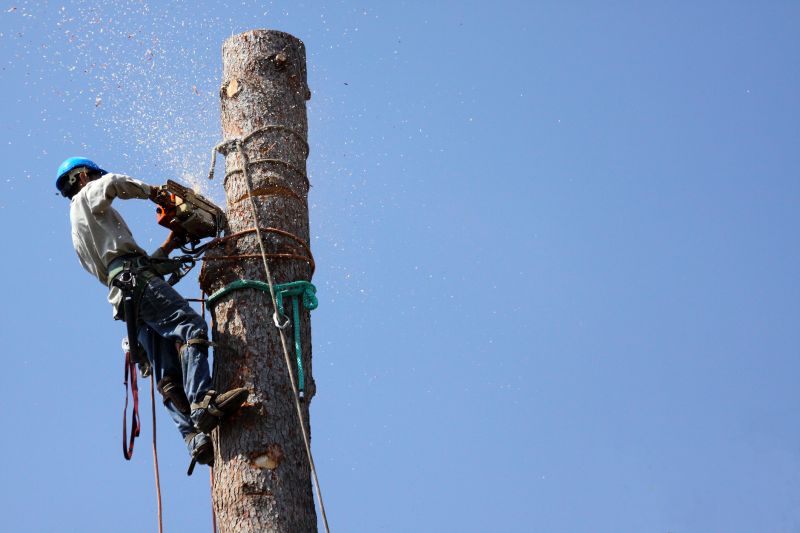
Summer removals are typically avoided unless urgent.
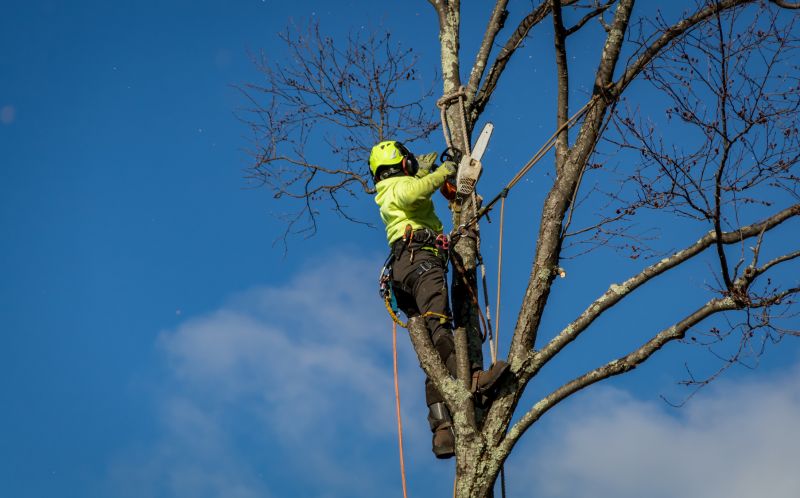
Fall provides visibility and access advantages for removal.

Little measurements that prevent headaches on Tree Removals day.
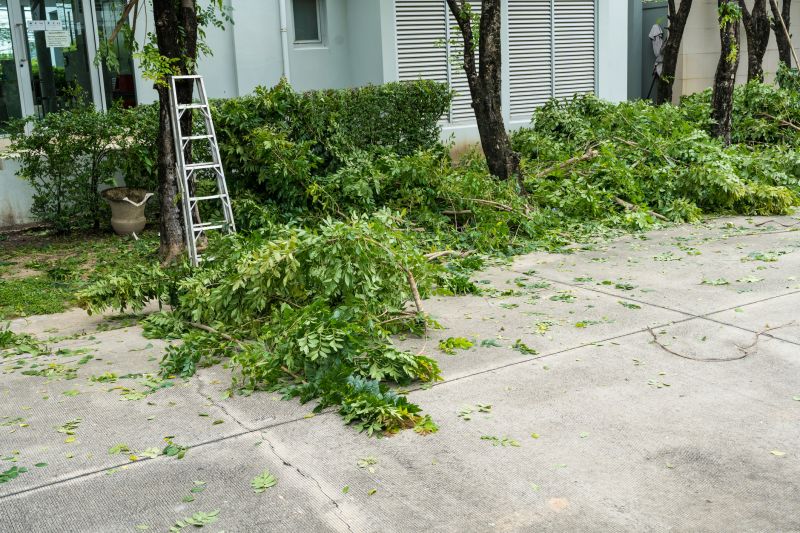
A 60-second routine that keeps Tree Removals looking new.
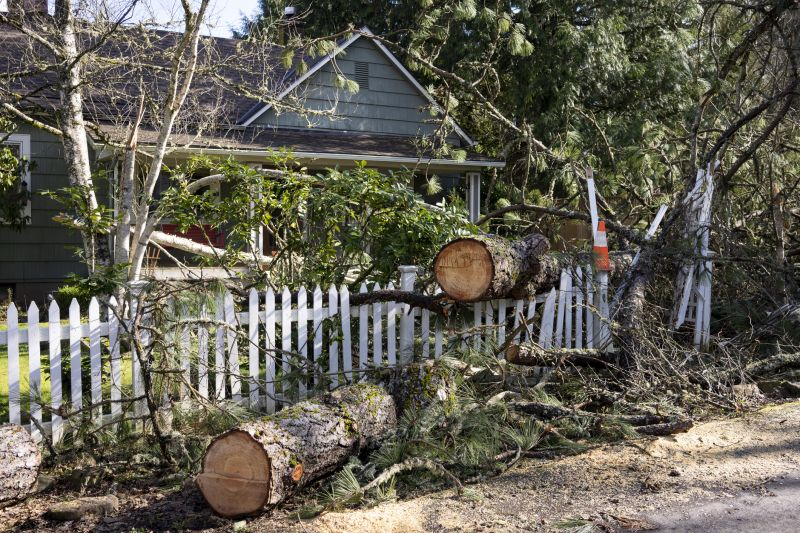
A frequent mistake in Tree Removals and how to dodge it.
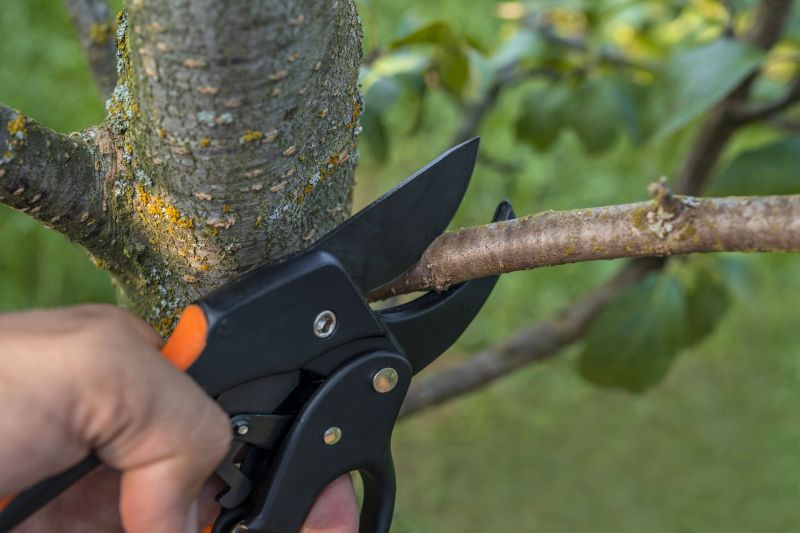
Small tweaks to make Tree Removals safer and easier to use.
Understanding seasonal impacts on tree removal can help in scheduling projects at optimal times. Proper timing supports safety, reduces complications, and promotes the health of remaining landscape elements. For those considering tree removal, consulting with experienced professionals can ensure the best approach for specific circumstances.
Individuals interested in tree removal services in State College, PA, are encouraged to fill out the contact form for more information and assistance tailored to seasonal considerations and specific tree types.